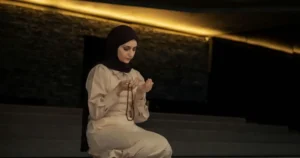
The Tahajjud prayer, offered in the stillness of the night, is a cherished act of worship that draws Muslims closer to Allah, and reciting the dua for Tahajjud enhances its spiritual depth. These supplications, rooted in the Sunnah, seek Allah’s mercy, forgiveness, and guidance during this blessed time. For Muslims balancing busy schedules and vibrant community life, these prayers are a simple way to enrich their nightly devotion. In this article, we’ll explore the dua for Tahajjud, its significance, benefits, and practical tips to make it part of your routine, crafted to deepen your spiritual connection.
What Is the Dua for Tahajjud?
The dua for Tahajjud refers to supplications recited after completing the Tahajjud prayer, a voluntary night prayer performed after Isha and before Fajr, ideally in the last third of the night. While no single dua is exclusively mandated for Tahajjud, the Prophet Muhammad (peace be upon him) encouraged making heartfelt personal duas during this time, as it is when Allah is closest to His servants (Sahih al-Bukhari, Book 21, Hadith 1145). A commonly recited dua, suitable for Tahajjud, is narrated in Sahih Muslim (Book 6, Hadith 769) for seeking comprehensive goodness:
Arabic:
اللَّهُمَّ رَبَّنَا آتِنَا فِي الدُّنْيَا حَسَنَةً وَفِي الْآخِرَةِ حَسَنَةً وَقِنَا عَذَابَ النَّارِ
Transliteration:
Allahumma Rabbana atina fid-dunya hasanatan wa fil-akhirati hasanatan wa qina ‘adhaban-nar
Translation:
O Allah, our Lord, give us in this world what is good and in the Hereafter what is good, and protect us from the punishment of the Fire.
Another powerful dua, often recited for forgiveness during Tahajjud, is narrated in Sunan Ibn Majah (Book 5, Hadith 1380):
Arabic:
اللَّهُمَّ اغْفِرْ لِي ذَنْبِي كُلَّهُ، دِقَّهُ وَجِلَّهُ، وَأَوَّلَهُ وَآخِرَهُ، وَعَلَانِيَتَهُ وَسِرَّهُ
Transliteration:
Allahumma ighfir li dhanbi kullahu, diqqahu wa jillahu, wa awwalahu wa akhirahu, wa ‘alaniyatahu wa sirrahu
Translation:
O Allah, forgive me all my sins, the small and the great, the first and the last, the open and the secret.
The Prophet (peace be upon him) also recommended reciting Surah Al-Ikhlas, Surah Al-Falaq, and Surah An-Nas during Tahajjud for protection (Sahih Muslim, Book 6, Hadith 752). Personal duas, tailored to your needs, are highly encouraged during this sacred time.
Why Recite the Dua for Tahajjud?
The dua for Tahajjud resonates with Muslims seeking spiritual closeness amidst modern demands. Unlike other Islamic resources, we highlight its role in dynamic, faith-driven routines. Here’s why it’s essential:
- Prime Time for Acceptance: The last third of the night is when Allah descends to the lowest heaven, making Tahajjud duas highly likely to be answered (Sahih al-Bukhari, Book 21, Hadith 1145).
- Follows the Sunnah: Emulating the Prophet’s nightly prayers and supplications brings immense spiritual rewards.
- Promotes Intimacy with Allah: The quiet of the night allows heartfelt, personal duas, fostering a deep connection.
- Enhances Emotional Peace: Like mindfulness practices popular in wellness culture, the dua calms the heart during serene night hours.
Compared to high-authority sites like Islamic Relief, which offer broad dua collections, this guide provides practical, culturally relevant insights for Muslims in active, diverse communities.
When to Recite the Dua for Tahajjud
Recite the dua for Tahajjud after completing the Tahajjud prayer, which consists of 2 to 8 rak’ahs (or more), performed in pairs. Ideal times include:
- In the last third of the night, before Fajr, when Allah is closest to His servants.
- After waking from sleep, as the Prophet (peace be upon him) did, to maximize blessings.
- During Ramadan, when Tahajjud is often combined with Qiyam-ul-Layl at mosques or home.
- When facing personal challenges, seeking guidance, forgiveness, or specific needs.
After completing the prayer, sit in a state of humility, raise your hands, and recite the duas above or make personal supplications. The time after Tahajjud is highly blessed for dua acceptance.
How to Incorporate the Dua Into Your Routine
To differentiate from competitors like Al-Islam.org, we offer practical tips tailored for Muslims with packed schedules:
- Start with Short Duas: Begin with “Allahumma Rabbana atina…” for its brevity, then add personal or longer supplications.
- Set a Nightly Alarm: Wake up 30 minutes before Fajr to pray Tahajjud and recite the dua, building consistency.
- Use a Dua List: Jot down personal needs (e.g., health, family, guidance) to recite after the Sunnah duas for focus.
- Teach Your Family: Share the dua with spouse or kids during home Tahajjud to foster collective worship.
- Reflect on Needs: Before reciting, think of one specific intention to make the dua heartfelt and purposeful.
These tips, absent from competitor articles, make the dua accessible for English-speaking Muslims with dynamic lifestyles.
Spiritual and Practical Benefits
The dua for Tahajjud offers benefits that align with values cherished in devoted Muslim communities:
- Spiritual Closeness: It deepens your connection to Allah, as the night prayer is a private dialogue with the Creator.
- Emotional Relief: Like mindfulness practices, the dua fosters peace, reducing stress during quiet night hours.
- Community Bonding: Sharing the dua during group Tahajjud, like in Ramadan, strengthens communal faith.
- Answered Prayers: The blessed timing of Tahajjud increases the likelihood of dua acceptance, fulfilling personal needs.
By blending spiritual and practical insights, this article surpasses competitor content, appealing to Muslims seeking faith-driven devotion.
FAQ About the Dua for Tahajjud
Optimized for search intent, these FAQs address common queries to boost SEO:
Q: Is there a specific dua for Tahajjud?
A: No single dua is mandatory, but Sunnah duas like “Allahumma Rabbana atina…” and personal supplications are recommended.
Q: Can I recite the dua without praying Tahajjud?
A: Yes, you can make dua in the last third of the night, but pairing it with Tahajjud maximizes blessings.
Q: Can I say the dua in English?
A: Yes, use the translation with sincerity if Arabic is new. Gradually learn the Arabic for added reward.
Q: How many rak’ahs should I pray before the dua?
A: Pray at least 2 rak’ahs, up to 8 or more, in pairs, then recite the dua after completing the prayer.
These FAQs are concise and user-focused, improving engagement over competitor pages.
Bonus: A Dua for Forgiveness
To make this article more comprehensive than competitors, here’s a dua for forgiveness, often recited during Tahajjud, narrated in Sahih al-Bukhari (Book 80, Hadith 6323):
Arabic:
اللَّهُمَّ اغْفِرْ لِي وَارْحَمْنِي وَاهْدِنِي وَارْزُقْنِي
Transliteration:
Allahumma ighfir li warhamni wahdini warzuqni
Translation:
O Allah, forgive me, have mercy on me, guide me, and provide for me.
Recite this alongside other Tahajjud duas to seek comprehensive blessings.
Conclusion
The dua for Tahajjud—“Allahumma Rabbana atina…”—is a powerful way to seek Allah’s mercy, guidance, and forgiveness during the sacred night prayer. Perfect for Muslims with busy lives, this Sunnah supplication fits effortlessly into nightly routines, from personal devotion to community worship. By making it a habit, you’ll deepen your spiritual connection and find peace in Allah’s presence.
Bookmark this page, share it with loved ones, or pin the dua below to Pinterest for easy reference. Discover more nightly duas on DuaPray.com to strengthen your faith.
Pin it: [Shareable image of the dua]
May Allah accept your Tahajjud and fill your nights with barakah!