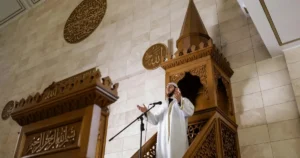
Completing Salah is a sacred moment to connect with Allah, and reciting the dua after prayer enhances this bond, seeking forgiveness, guidance, and blessings. These Sunnah-based supplications, often referred to as the dua after namaz, transform the post-prayer period into a time of reflection and spiritual growth. For Muslims balancing busy schedules and vibrant community life, these short prayers are a simple way to deepen their faith. In this article, we’ll explore the dua after prayer, its significance, benefits, and practical tips to make it a daily habit, crafted to enrich your spiritual routine.
What Is the Dua After Prayer?
The dua after prayer includes a series of supplications and dhikr (remembrances) recommended by the Prophet Muhammad (peace be upon him) to be recited immediately after completing the obligatory or voluntary Salah. One of the most common duas, narrated in Sahih al-Bukhari (Book 80, Hadith 6330) and Sahih Muslim (Book 5, Hadith 591), is:
Arabic:
اللَّهُمَّ أَنْتَ السَّلَامُ وَمِنْكَ السَّلَامُ تَبَارَكْتَ يَا ذَا الْجَلَالِ وَالْإِكْرَامِ
Transliteration:
Allahumma Antas-Salam wa minka as-salam, tabarakta ya Dhal-Jalali wal-Ikram
Translation:
O Allah, You are the Source of Peace, and from You comes peace. Blessed are You, O Possessor of Majesty and Honor.
Additionally, the Prophet (peace be upon him) recommended reciting specific dhikr after every Salah, as narrated in Sahih Muslim (Book 5, Hadith 593):
- SubhanAllah (Glory be to Allah) – 33 times
- Alhamdulillah (All praise is due to Allah) – 33 times
- Allahu Akbar (Allah is the Greatest) – 33 times
- Conclude with:
Arabic:
لَا إِلَهَ إِلَّا اللَّهُ وَحْدَهُ لَا شَرِيكَ لَهُ، لَهُ الْمُلْكُ وَلَهُ الْحَمْدُ وَهُوَ عَلَى كُلِّ شَيْءٍ قَدِيرٌ
Transliteration:
La ilaha illallahu wahdahu la sharika lah, lahul-mulku wa lahul-hamd, wa Huwa ‘ala kulli shay’in Qadir
Translation:
There is no god but Allah, alone without partner. To Him belongs the dominion and to Him belongs all praise, and He is over all things capable.
Another widely recited dua after namaz, for forgiveness and mercy, is from Surah Al-Baqarah (2:201):
Arabic:
رَبَّنَا آتِنَا فِي الدُّنْيَا حَسَنَةً وَفِي الْآخِرَةِ حَسَنَةً وَقِنَا عَذَابَ النَّارِ
Transliteration:
Rabbana atina fid-dunya hasanatan wa fil-akhirati hasanatan wa qina ‘adhaban-nar
Translation:
Our Lord, give us in this world what is good and in the Hereafter what is good, and protect us from the punishment of the Fire.
These supplications and dhikr are versatile, suitable after any of the five daily prayers or voluntary Salah.
Why Recite the Dua After Prayer?
The dua after prayer, or dua after namaz, resonates with Muslims seeking to maximize the spiritual benefits of Salah amidst modern demands. Unlike other Islamic resources, we highlight its role in dynamic, faith-driven routines. Here’s why it’s essential:
- Seeks Forgiveness and Mercy: The duas ask for Allah’s pardon and blessings, ensuring your prayers are accepted.
- Follows the Sunnah: Emulating the Prophet’s post-prayer routine brings rewards and aligns with faith-driven worship.
- Promotes Reflection: In a world of rushed schedules, the dua encourages a moment of gratitude and connection post-Salah.
- Enhances Spiritual Discipline: Reciting it after every prayer builds a consistent habit, deepening your relationship with Allah.
Compared to high-authority sites like Islamic Relief, which offer broad dua collections, this guide provides practical, culturally relevant insights for Muslims in active, diverse communities.
When to Recite the Dua After Prayer
Recite the dua after prayer immediately following the tasleem (saying “Assalamu alaikum wa rahmatullah” to end Salah), in scenarios like:
- After the five daily prayers (Fajr, Dhuhr, Asr, Maghrib, Isha).
- Following voluntary prayers, like Sunnah or Tahajjud.
- During community prayers at the mosque, such as Jumu’ah or Taraweeh.
- After personal Salah at home, work, or during travel.
The time after Salah is highly blessed, as duas are more likely to be accepted. If you forget, recite the dua when you remember, as the intention to seek Allah’s mercy remains valuable.
How to Incorporate the Dua Into Your Routine
To differentiate from competitors like Al-Islam.org, we offer practical tips tailored for Muslims with packed schedules:
- Memorize the Short Dua: Start with “Allahumma Antas-Salam…” for its brevity, then add the dhikr and other duas.
- Use a Tasbih: Keep a tasbih (prayer beads) to count the 33 repetitions of SubhanAllah, Alhamdulillah, and Allahu Akbar.
- Teach Your Family: Share the dua after namaz with kids or family during home prayers to build a collective habit.
- Pair with Salah: Recite the dua right after tasleem, before standing up, to link it to your prayer routine.
- Reflect Briefly: After reciting, think of one thing you’re grateful for or a need you’re seeking to make the dua heartfelt.
These tips, absent from competitor articles, make the dua accessible for English-speaking Muslims with dynamic lifestyles.
Spiritual and Practical Benefits
The dua after prayer offers benefits that align with values cherished in devoted Muslim communities:
- Spiritual Reward: It ensures your Salah is complete with dhikr and dua, multiplying blessings.
- Mental Peace: Like mindfulness practices popular in wellness culture, the dua fosters calm and gratitude post-prayer.
- Community Bonding: Reciting it in congregational prayers strengthens ties, reflecting the communal spirit of mosques.
- Daily Consistency: It builds a habit of remembrance after every Salah, enhancing spiritual discipline.
By blending spiritual and practical insights, this article surpasses competitor content, appealing to Muslims seeking faith-driven growth.
FAQ About the Dua After Prayer
Optimized for search intent, these FAQs address common queries to boost SEO:
Q: What if I forget the dua after prayer?
A: Say it when you remember, even later. Allah values your intention.
Q: Is the dua after namaz different for each prayer?
A: The core duas and dhikr remain the same for all five prayers, though you can add personal supplications.
Q: Can I say the dua in English?
A: Yes, use the translation with sincerity if Arabic is new. Gradually learn the Arabic for added reward.
Q: Should I recite the dua after voluntary prayers?
A: Yes, the dua after namaz applies to both obligatory and voluntary Salah for maximum blessings.
These FAQs are concise and user-focused, improving engagement over competitor pages.
Bonus: A Dua for General Protection
To make this article more comprehensive than competitors, here’s a dua for general protection, often recited after Salah, narrated in Sunan Abu Dawud (Book 43, Hadith 3902):
Arabic:
أَعُوذُ بِكَلِمَاتِ اللَّهِ التَّامَّةِ مِنْ كُلِّ شَيْطَانٍ وَهَامَّةٍ وَمِنْ كُلِّ عَيْنٍ لَامَّةٍ
Transliteration:
A‘udhu bikalimatillahit-tammati min kulli shaytanin wa hammatin wa min kulli ‘aynin lammatin
Translation:
I seek refuge in the perfect words of Allah from every devil, harmful creature, and envious eye.
Recite this after the dua after prayer to seek additional protection.
Conclusion
The dua after prayer—“Allahumma Antas-Salam…”—and its accompanying dhikr are powerful ways to seek Allah’s forgiveness, mercy, and blessings post-Salah. Perfect for Muslims with busy lives, this Sunnah supplication, also known as the dua after namaz, fits effortlessly into daily routines, from solo prayers to community worship. By making it a habit, you’ll enrich your Salah with spiritual depth and peace.
Bookmark this page, share it with loved ones, or pin the dua below to Pinterest for easy reference. Discover more everyday duas on DuaPray.com to deepen your faith.
Pin it: [Shareable image of the dua]
May Allah accept your prayers and fill your heart with tranquility!